


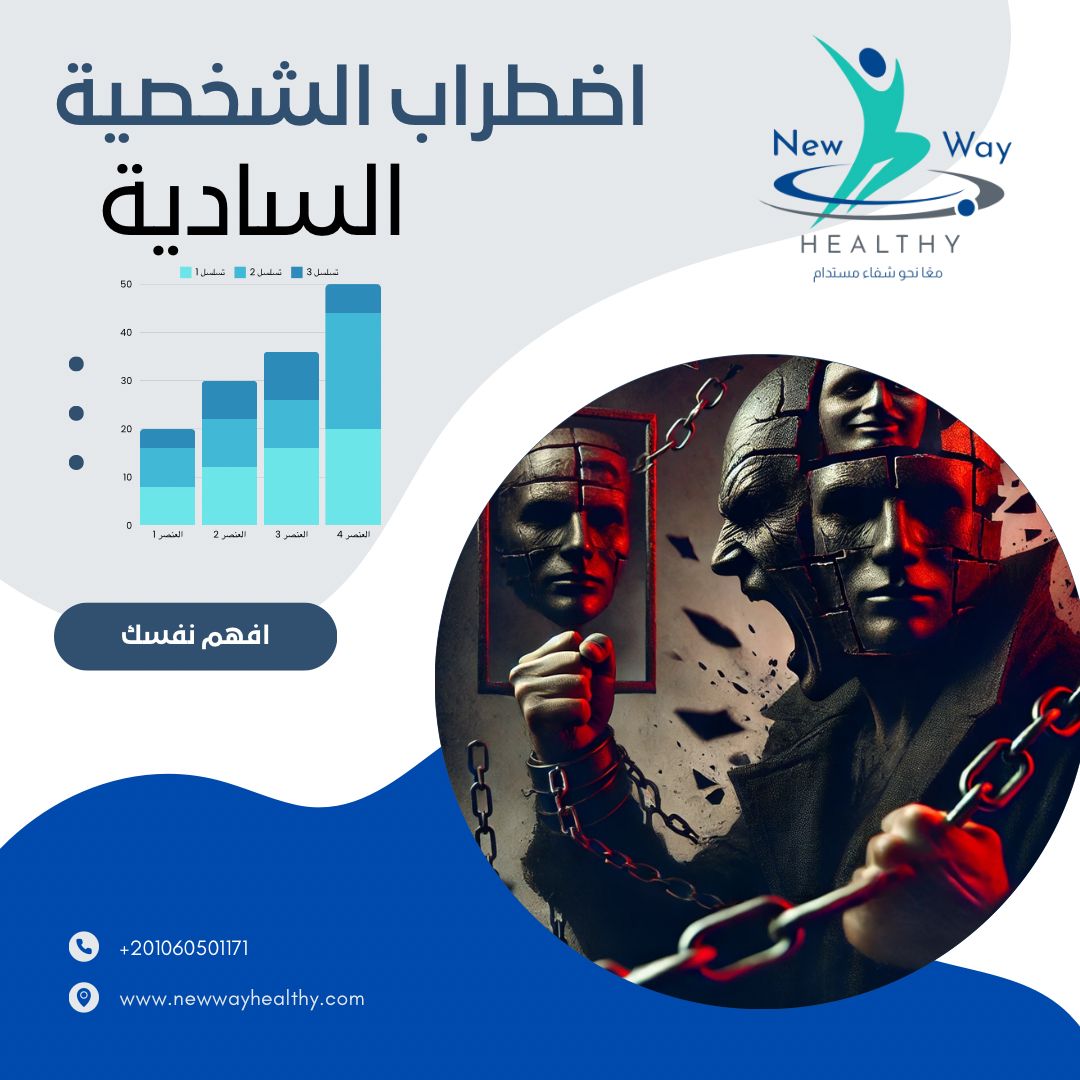
Sadistic personality disorder is a psychological disorder characterized by extreme behavioral patterns of cruelty, control, and a desire to cause pain to others, either physical or psychological, with a feeling of pleasure or satisfaction as a result. This disorder is considered an unusual type of personality disorder, and it may cause major problems in social and professional relationships.
Sadistic personality traits
A person with sadistic personality disorder has a set of traits that appear in his daily behavior and actions. Among these features:
1. Control and control: An intense desire to control others and influence them negatively.
2. Pleasure from pain: enjoyment or satisfaction from causing harm to others.
3. Lack of empathy: Not feeling guilty or remorseful for their cruel actions.
4. Aggressive behavior: the tendency to use physical or psychological violence to achieve their goals.
5. Rebellion and stubbornness: rejecting any kind of authority or laws, and seeking to impose their will on others.
6. Manipulation: Using tricks and deception to manipulate and exploit others.
Symptoms
• Excessive aggression: A sadistic person shows persistent hostile behavior toward others.
•Intentional humiliation: humiliating others verbally or physically.
• Belittling others: Constantly criticizing others to make them feel weak.
• Destructive behavior: Recklessly engaging in actions that harm others psychologically or physically.
• A feeling of power: a constant feeling of superiority and power when controlling the fate of others.
How to deal with a sadistic personality
Dealing with someone with sadistic personality disorder can be very difficult, but it is not impossible. Here are some tips:
1. Maintaining boundaries:
• Clear and strict limits must be set when dealing with a sadistic personality.
• Avoid letting them control or manipulate your emotions.
2. Feedback control:
• Try to be calm and stable when dealing with them.
• Don’t show any weakness that they can take advantage of.
3. Awareness of harm:
• Be aware that their actions are not your fault.
• Do not accept any abusive behavior, whatever the circumstances.
4. Request support:
• If you are dealing with a sadistic person on a regular basis (at work or in your family), do not hesitate to seek support from psychological specialists or support groups.
Methods of treating sadistic personality disorder
Sadistic personality disorder is not an easy disorder to treat, but it is not impossible. A treatment plan may include:
1. Psychotherapy:
• Cognitive behavioral therapy (CBT):
It helps the patient understand his negative thoughts and beliefs and how they affect his behavior, enabling him to change these patterns.
• Group therapy:
It can help patients learn how to interact healthily with others.
2. Drug treatment:
• Medications may be used to treat associated symptoms such as anxiety or depression.
• Antipsychotics may be useful in severe cases.
3. Social rehabilitation:
• Focus on enhancing communication skills and interacting with others in a healthy way.
• Providing training on how to regulate anger and control aggression.
4. Long-term monitoring:
• People with this disorder need regular follow-up to ensure that they do not return to negative behavioral patterns.
The role of family and society
• Education: It is necessary for family members to be aware of sadistic personality disorder to understand how to deal with it properly.
• Psychological support: providing emotional support without allowing abuse or manipulation.
• Reporting harmful behavior: If there is violence or abuse, it must be reported and the victims protected.



لا تعليق